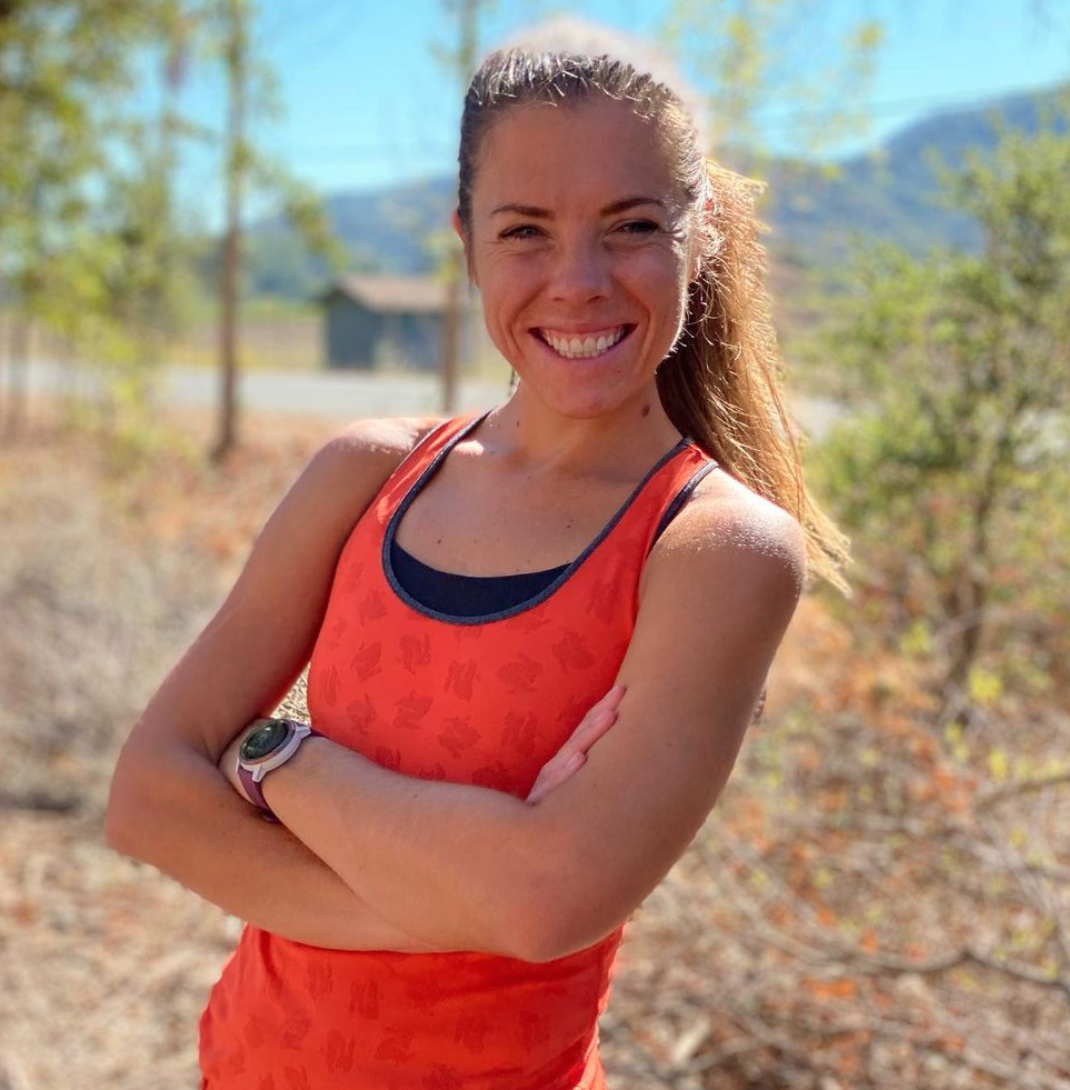




Michelle R. is someone who didn’t “find” endurance sports so much as she bumped into them in pieces. Swimming happened first because it was there. Running showed up later when she needed something that got her out of the house. Cycling came after college because someone was selling a used bike for cheap. None of it was planned and she wasn’t building toward anything. She was just trying things that didn’t overwhelm her and somehow, years later, it turned into a routine. A lot of people start sport that way even if they pretend otherwise.
How did you fall into endurance sports?
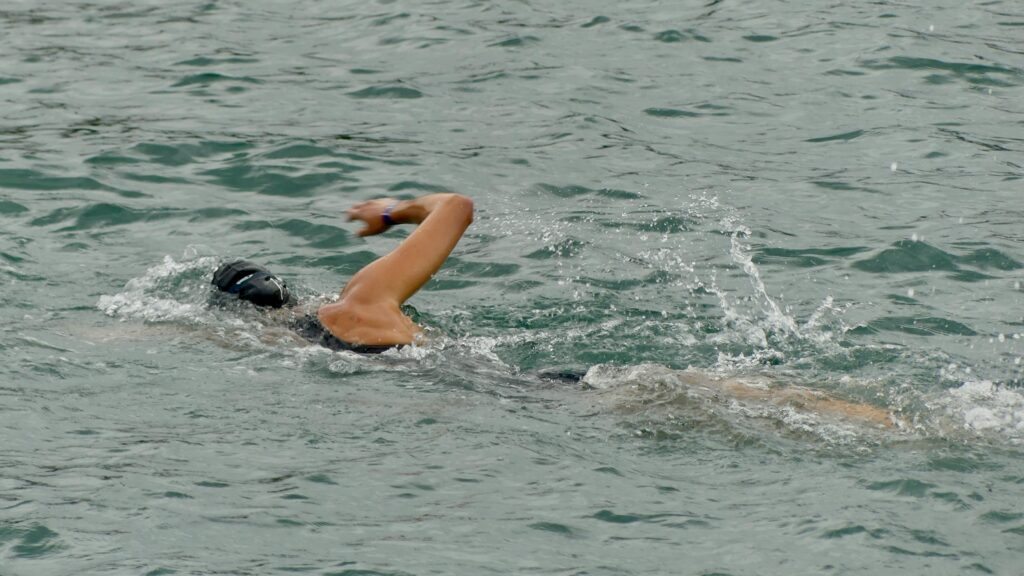
Swimming was first only because the community pool was the easiest place to escape to. I was never fast, not even close. I didn’t care about speed. It was the only space where my brain stopped buzzing. You put your head down, push off the wall, and there’s that second where everything goes quiet. That was enough.
Running came later. Honestly, it started because I wanted an excuse to leave the house early in the morning. I didn’t have a watch and didn’t know anything about pacing. I counted by songs because that was easier. Two songs if I was tired. Four if I wasn’t. Nothing scientific.
Cycling didn’t show up until after college. I bought this heavy, rattly bike from someone’s garage. It clicked every time I shifted gears. I rode it anyway. It was a way to go farther and faster and that part hooked me pretty quickly.
Was there a moment when sport went from hobby to something more?
Yes, but not in a cinematic way. I was working through some identity stuff that I didn’t talk about. I would loop the same dirt trail behind a baseball field because it felt out of the way. I didn’t have big breakthroughs out there. Mostly I just ran and thought about how split I felt. But it was the first time I noticed I didn’t edit myself while moving.
Did you ever feel out of place in athletic spaces?
Plenty. Group runs were the worst. Everyone else seemed to be born knowing how to make small talk. I wasn’t. People asked casual questions about dating or partners and I always hesitated, trying to decide how much to share. No one said anything rude; that wasn’t the problem. It was more this sense that the room was built for someone else and I was trying to squeeze in through a side door.
ADVERTISEMENT

What helped that feeling shift?
One teammate. Ashley. She didn’t make assumptions or ask weird leading questions. She asked who I was training with, not who I was dating. She asked if I wanted to grab coffee after practice like it was no big deal. Those tiny moments make a huge difference when you’re still sorting yourself out.
What has been your hardest season as an LGBTQ athlete?
The year I tried to out-train my own life. I kept piling on miles, adding doubles, pushing long runs harder than they needed to be. It’s a miracle I didn’t get hurt…oh to be young again. Being busy felt easier than dealing with anything real.
So yeah, I didn’t get hurt, which honestly feels like luck. But I was completely worn out. That season showed me that sport can help, but it can’t carry every single thing you refuse to face.
What was a moment where sport gave you something you needed?
Last summer, during a small local sprint triathlon. I almost didn’t start because the week leading up to it was rough. I was standing at the lake messing with foggy goggles when an older athlete tapped my arm and said, “You’ll feel better once you move.” She wasn’t wrong. The race itself was pretty average, but I finished feeling lighter than when I started. Sometimes that’s all you need.
What athletic achievement stands out the most?
My first half marathon where I actually ran for myself. During training, I missed workouts, had a shoe issue at mile seven, all of it. But I finished with a clear head. It was the first time my identity and my sport felt like they were finally moving in the same direction instead of pulling in opposite ones.
What would you tell a younger LGBTQ athlete who is unsure of where they fit?
You don’t have to earn a spot. You belong even if you don’t see anyone else in the room who looks like you. Find one person who listens without assumptions. That’s usually enough to get going. There are good people in this world that are willing to listen.
What is next for you?
I want to train for my first marathon in a healthier way than I’ve handled things before. I also want to be more open in the athletic spaces I’m part of because I didn’t have anyone to look toward when I was younger. If I can be that person for someone else, even a little, that feels worth it.
Conclusion
Michelle’s path isn’t clean and that’s probably why it feels familiar. Most people don’t enter sport with some perfect plan. They try things, quit things, come back to things, and figure themselves out while they’re already moving. Michelle is still learning what makes sense for her and showing up anyway, which is what most athletes do whether they talk about it or not.
ADVERTISEMENT