


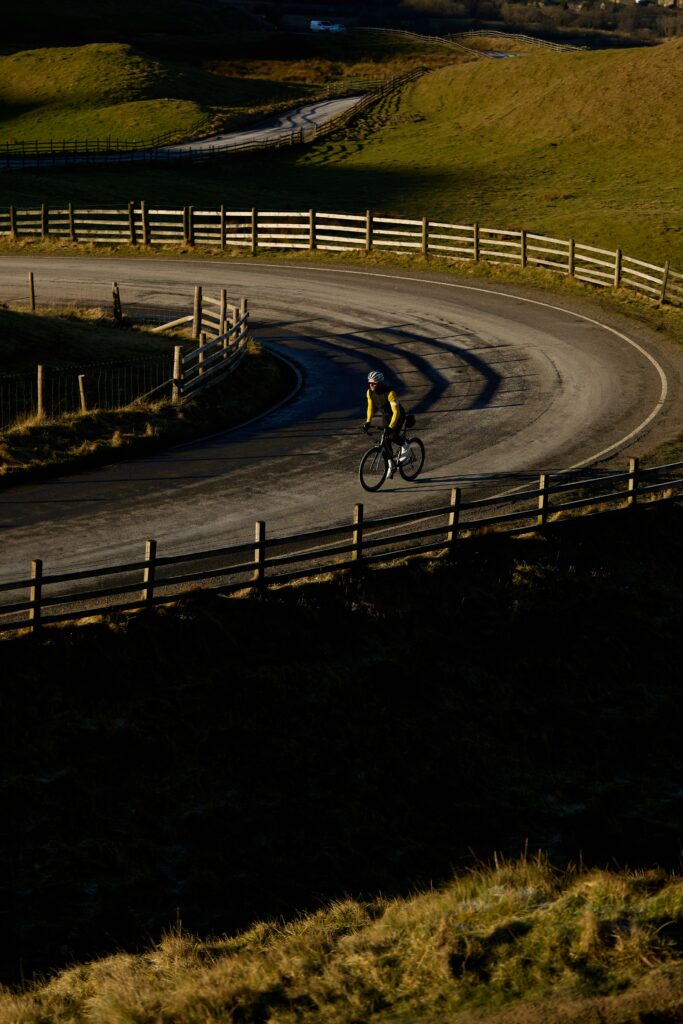
Loneliness in Endurance Sports
Endurance athletes dedicate long hours to their training programs, including early mornings, evenings, and weekends. This commitment is necessary for them to adapt to their training and improve their performance, and many are celebrated for these admirable qualities. Although extended training time is usually a nonnegotiable element of training, many endurance athletes miss events with friends and family, social outings, and other activities due to the rigor of their schedules, leading to feelings of loneliness.
Loneliness and Performance
Loneliness builds quietly over time as training demands increase and an athlete’s lifestyle begins to be changed.
Endurance athletes often spend hours training alone. This alone time can be peaceful for an athlete, providing them with space to focus on themselves and connect with the specifics of mental training, such as breathing and self-talk strategies. As hours alone increase, athletes might find they lack connection with others during training.
The feeling of loneliness affects more than mood. It also impacts mental performance. The sense of disconnection can lead to emotional exhaustion, reduced motivation, and increased negative self-talk.
Endurance athletes may experience moments where they find it challenging to stay present during training sessions, lose enjoyment in their sport, become self-critical, and struggle with motivation.
ADVERTISEMENT

Factors Impacting Loneliness
For many endurance athletes, the sport and training become a part of their identity. Their routines, social circles, and self-worth may revolve around training, racing, and their results. Athletes may feel pressure to appear strong, motivated, and resilient due to the nature of their sport. They may opt to keep their challenges, such as loneliness, private so that they don’t seem “weak” compared to others. Since the athlete is showing up for their workouts and racing, the loneliness might go unnoticed by others. Athletes might also dismiss how they feel rather than address what might be causing them to feel that way. Internalizing loneliness could affect their confidence and enjoyment of the sport.
Using Connection as a Strength
Finding a training partner might not always be the easiest- there could be challenges regarding comparison of an athlete’s pace, not wanting to hold back a faster athlete, etc. Athletes might feel that it would be more of a disruption or burden for another athlete than a benefit. The truth is, connection with others is a performance enhancer.
Some ways endurance athletes can enhance their connection are to:
- Train With Others—Intentionally
Training with others doesn’t mean that the athlete will never train on their own again. Having a training partner can help athletes stay accountable for their workouts, maintain perspective, and foster a sense of connection and enjoyment during training. Being able to have a shared experience with another athlete provides space to recognize that they are not alone in this journey.
- Talk About More Than Training
What brings athletes together might be their training, but that doesn’t need to be the sole focus when they are together. Building a connection with another athlete extends far past what’s on the daily training calendar. These conversations build trust and make the sessions more meaningful.
- Create Meaningful Rituals
Celebrating a mid-week morning run with a training buddy by getting coffee or breakfast together is a great way to develop rituals together. These rituals can help athletes feel motivated and excited to meet up with their training partner so that they can do something fun together afterwards to celebrate what they’ve accomplished. This also helps to build their connection with each other outside of sport.
There’s Always a Space for Connection
Training for endurance sports will always include moments of solitude. It’s a natural part of the sport. This solitude can be uplifting and also a challenge. Recognizing that feeling lonely is common for many endurance athletes can actually be comforting. There is a need to balance independence with connection during training, as this provides support and compassion for each other.
ADVERTISEMENT