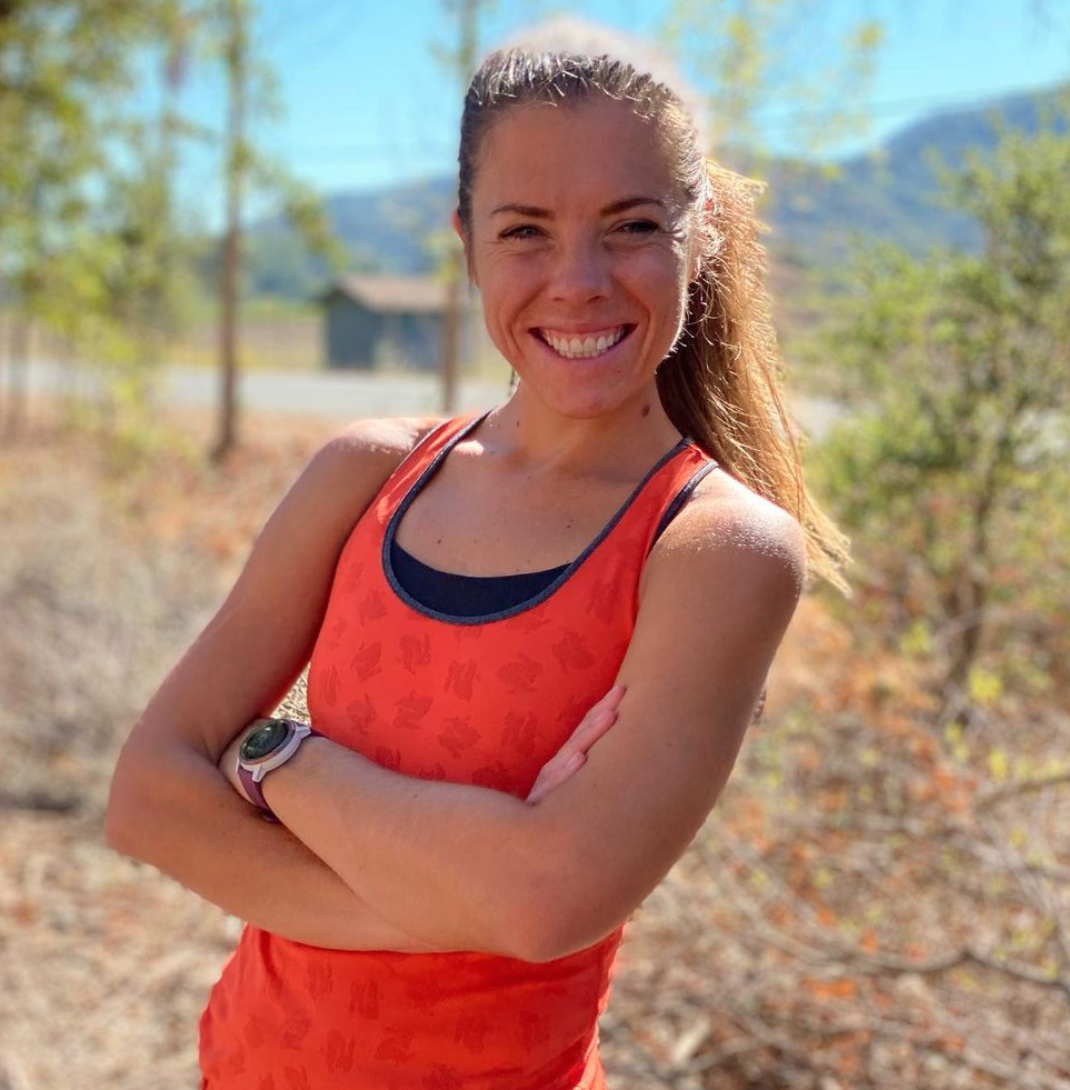



Javier just finished his first Chicago Marathon. He lives just outside of Chicago, and works long shifts at a local restaurant before heading out for late-night runs. He’s also Latino and grew up hearing stories about family members who were stopped, questioned, or treated differently for looking a certain way.
This year, as ICE activity increased across Chicago, Javier trained and raced with a fear that most people don’t have to worry about. Running isn’t always as simple as “lace up and go.” For some, it takes courage just to show up.
How Did You Get Into Running?
My cousin convinced me to join cross-country in high school. I wasn’t great, but I liked the feeling of finishing something I started. After high school, I kept running off and on. I didn’t run every day, and some months I didn’t run at all, but it was always there for me when I came back. Two years ago, I ran a half marathon and told myself, “One day I’ll do Chicago.” I didn’t realize that “one day” would come so fast. My brother encouraged me to enter the lottery and I got in.
What Was Going Through Your Mind Leading Up To Race Day?
Honestly? Fear that someone would question me. I’m not undocumented and was born in the United States, but when you’re brown and speak Spanish in certain parts of the city, you feel eyes on you. Around the time I started marathon training, ICE raids were happening near some of our neighborhoods. I knew I’d be out running before sunrise or late at night, and it made me nervous. There were times I skipped runs because of my fear.
Running is supposed to be freeing. For me, it was a mix of calm and constant alert. I carried my ID on every long run and told my partner exactly where I’d be. I just didn’t want to end up in the wrong place at the wrong time.
ADVERTISEMENT
Did You Ever Think About Not Racing?
I did, especially after hearing stories about ICE being visible downtown. But I also thought about my younger cousins watching. They see how easily fear keeps people quiet. I wanted them to see that we still belong here just as much as anyone else. So I told myself, “If I’ve trained through 90-degree mornings, I can handle this too.” It was a different kind of training.
What Did The Marathon Itself Feel Like Once You Started Running?
At first, electric. The crowd energy is unreal. People are screaming your name, waving flags, handing out candy. But even with all of that, I couldn’t completely shake the awareness that police were everywhere. Every checkpoint, every corner. I tried to always run next to someone or in a pack so that I would be unnoticed.
When I ran through my home neighborhood…it hit hard. The music, the families, the Spanish signs, the smell of food cooking, my friends, and family were all there. But there was still this voice in the back of my head saying, “Stay alert.” Even at mile 20, exhausted, I caught myself scanning the crowd instead of focusing on my own race. I never felt that calm or peace during the race because I was always scanning and trying to make myself blend in.
Crossing that finish line wasn’t just physical relief. It was emotional too. Relief that I made it, that I could just be another runner for a moment.
Did Anyone During The Race Do Something That Stood Out In A Good Way?
Yeah. At one water station, a volunteer yelled, “Vamos Javier, tú puedes!” It was so simple, but that moment gave me life. After that, every time I saw a flag or heard Spanish, I felt lighter.
You realize how powerful it is to be recognized as you are, not as a stereotype. That’s why I keep talking about it. I want other Latino runners to know they don’t have to hide parts of who they are to be part of this sport.
What Did Finishing Mean To You Beyond Just The Marathon?
It meant I didn’t let fear win. There’s a lot of noise right now about who belongs where, who’s “legal,” who’s “safe.” But running doesn’t check paperwork. It’s just you and the road. For me, finishing that race was saying, “I’m here. I worked for this. And I deserve this space too.”
What’s Next For You?
I want to run another marathon next fall but I also want to start a small group run here. I think a lot of people would run if they knew they wouldn’t be judged for showing up.
What Would You Say To Other Runners Who Might Be Dealing With Similar Fear?
I’d say don’t wait for the perfect time. There will always be something to be afraid of, but there’s also something waiting on the other side of that fear. Tell someone where you’re running, keep your phone and ID on you, and stay smart, but don’t let fear take this from you.
Conclusion:
Most of us don’t have to think about things like that when we race. We worry about splits, shoes, maybe the weather. Javier worried about being seen and looking “suspicious” in his own city while doing something he loves.
It’s easy to forget how much privilege there is in just showing up to a start line without fear.
He didn’t ask for attention or sympathy. He just wanted to run. To be part of it. To belong like everyone else.
ADVERTISEMENT