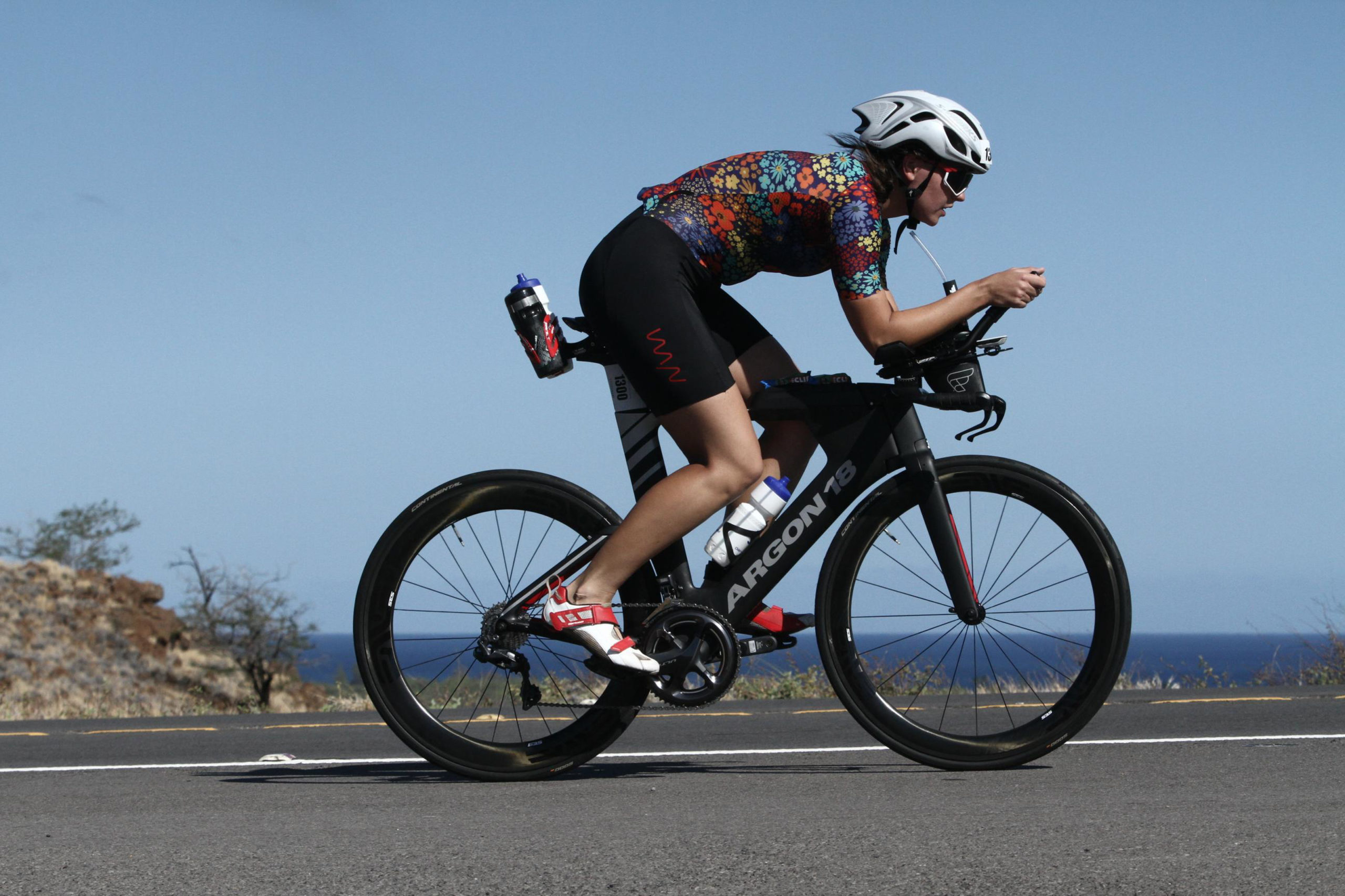





Using the name of an ethnicity to describe anything but the ethnic group is in poor practice, according to an expert.
Tackling an endurance event may often present as a solo adventure, but those who have attempted an ultramarathon, Iron-distance triathlon, or offroad cycling race know that to reach your goals, you need a community supporting you.
Come race day, you will likely elect a handful of those in your corner to have a front-row seat to your attempt at pushing yourself to the limit to find the finish line. That trusted crew might carry your bags, remind you to eat and hydrate, and suggest a few deep breaths when the overwhelm hits.
Traditionally, it has not been uncommon for those key supporters to be referred to as “Sherpas,” referencing the Tibetan ethnic group known for their extraordinary abilities in shepherding mountaineers and tourists alike up impressive peaks such as Mt. Everest.
As the rules and technology of endurance sports evolve, so too should the verbiage we use to describe those who help us achieve our goals when we need them most.
Who Are The Sherpa?
Sherpa is an ethnic group of people who can trace their origins back to Tibet, although many now call the Khumbu region of the Himalaya home, which sits nearly 14,000 feet above sea level.
In Tibetan, “shar” means “east,” and “pa” means “people,” so “Sherpa” loosely translates to the “people from the east,” referring to their origins in Eastern Tibet. Sherpas have their own language called Sharpa, which is only spoken, not transcribed.
Sherpa have become famous for guiding tourists and skilled adventurers alike through the dangerous terrain of Mt. Everest, K2, and other mountains in the Himalayas. Sherpa carry gear such as food and water, ropes and ice tools, and perhaps most importantly, supplemental oxygen.
Because of their history of living at such a high altitude, Sherpa have lower levels of fat oxidation than the average person, and move oxygen through their body more efficiently. A 2017 University of Cambridge study examined the DNA of Sherpa people to reach these conclusions.
Sherpas are tasked with getting tourists and mountaineers safely up and down a mountain, and despite the many successful Sherpa-led treks in the Himalayas, some Sherpas have lost their lives in the pursuit of helping others reach their desired summit.
ADVERTISEMENT
Why “Sherpa” Should Stay With Sherpas – Not Support Crews
Calling your support crew “Sherpas” has long been a trend in the endurance sports world. According to one expert, though, it’s time to retire that word choice.
Nepal-based Balaram Thapa is the CEO and founder of Nepal Hiking Team, which has employed Sherpas for more than 15 years to aid in the company’s treks of the Himalayas.
“The Sherpa people are a very resilient and very skilled people,” Thapa says. “They know how to fix the ropes that allow tourists to cross the mountains, from a young age, they learn everything about the Himalayan region, and that is invaluable. The skills they possess are not those that just anyone can learn.”
Thapa himself has worked as a porter for long mountain treks before, but he is always careful to give credit where credit is due when it comes to who is actually a Sherpa.
“It is disrespectful to call someone who is not a Sherpa, a Sherpa,” Thapa says. “Sherpas are not only very strong, they are also leaders and decision-makers on treks and in the community.”
Although it may be tempting to use the quick and easy word “Sherpa” to describe a support crew at your next endurance event, pause and consider that Sherpas are not only an ethnic group, but a community of highly skilled, resilient leaders and pioneers in some of the world’s most unforgiving environments.
With plenty of non-problematic alternatives to the word Sherpa, consider showing respect to the Sherpa people of Nepal and Tibet by choosing a different phrase for those who are crewing your next endurance competition.
What Can I Say Instead of “Sherpa”?
There are plenty of alternatives to the word “Sherpa.” Take your pick and get creative!
- Support crew/team
- Athlete manager
- My biggest fans
- Cheer squad
- Hype squad
ADVERTISEMENT