





How Black Swimmer Badia Weeks
Is Rewriting Who Belongs in the Water
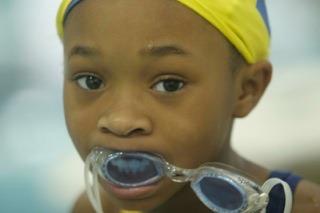
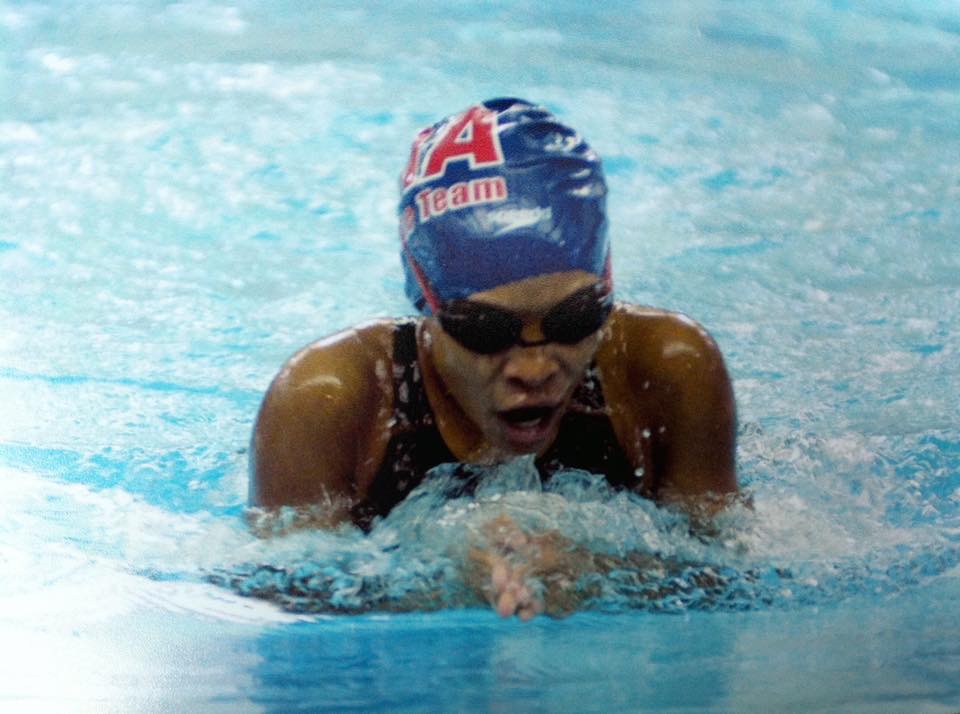
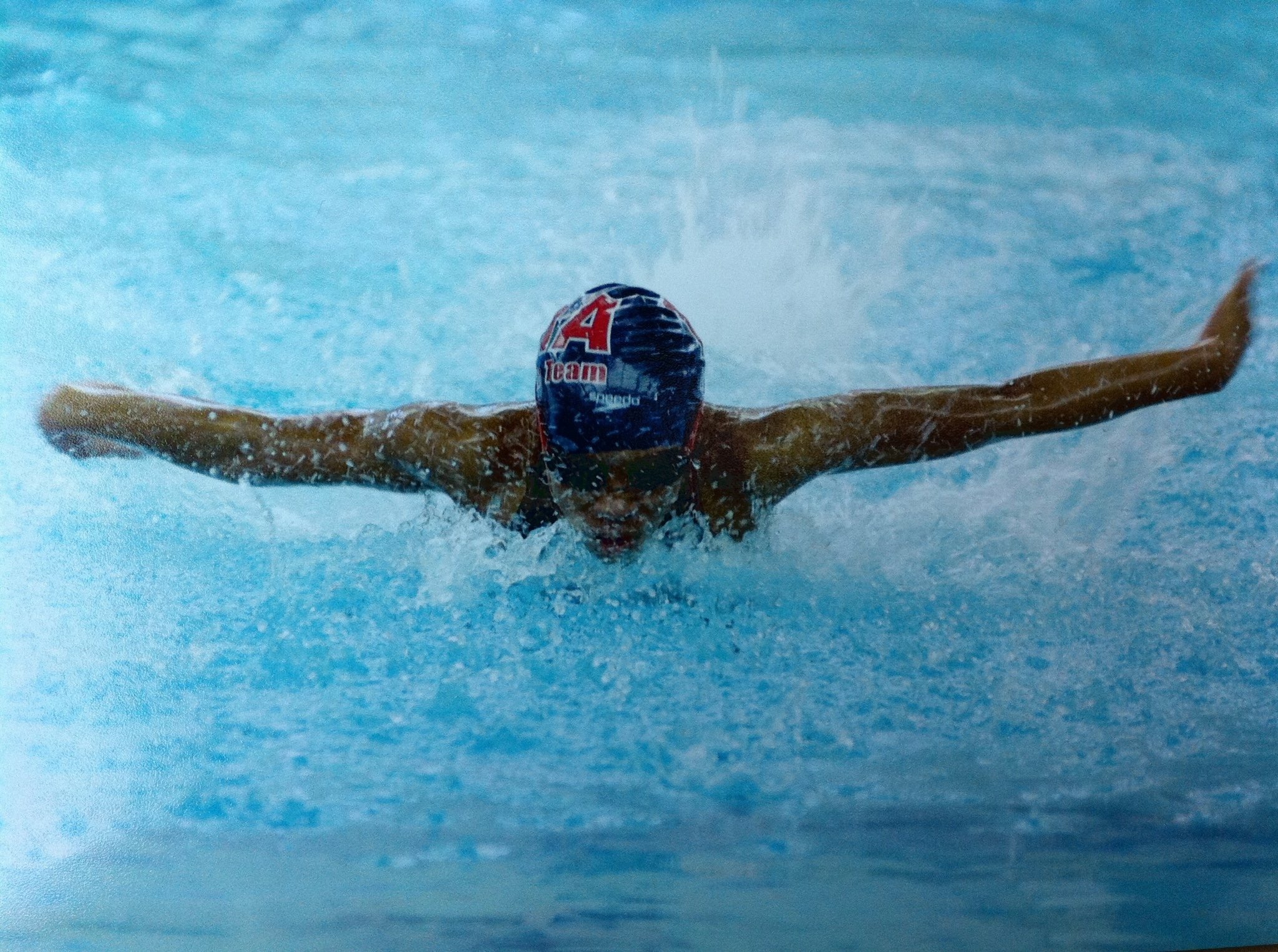
When Badia Weeks was barely three years old, she watched Olympic swimmers on television and told her parents that was exactly what she wanted to do with her life. They took her seriously. Within two years, she was competing.
That decision set everything in motion.
She Was Always a Water Baby
Badia’s parents had enrolled her in parent-child swim classes as an infant. They didn’t do this because they were swimmers themselves, but because they wanted their kids to be safe in the water. What they found was a child who didn’t just tolerate the pool. She wanted to be swallowed by it. By five, she was racing. By her junior year of high school, she was coaching teammates who had joined the swim team without knowing how to swim.
The pool was never just exercise for Badia. Growing up as one of very few Black children in predominantly white spaces (private school in Delaware, suburban neighborhoods, competitive swim teams) she found that the water treated everyone the same. “Even to this day, if I am having a rough time with my mental health and there’s just a lot going on, I will default to swimming,” she told me. “It’s that routine. It’s that pattern.”
Swimming also built her. Training up to twenty-five hours a week at her peak, she developed discipline, time management, and a body awareness that most athletes never find. These didn’t just translate to success in the pool. They became life skills that have traveled with her into every coaching session, every leadership role, and eventually into founding NDURE which is an organization dedicated to empowering athletes of color.
ADVERTISEMENT

Showing Up Changes Everything
There is a damaging and persistent stereotype that Black people don’t swim. It is rooted in historical racism, generational trauma, and decades of denied access to public pools. Badia has spent her career quietly and deliberately pushing back against it. She didn’t do this through arguments. How she pushed back was through presence.
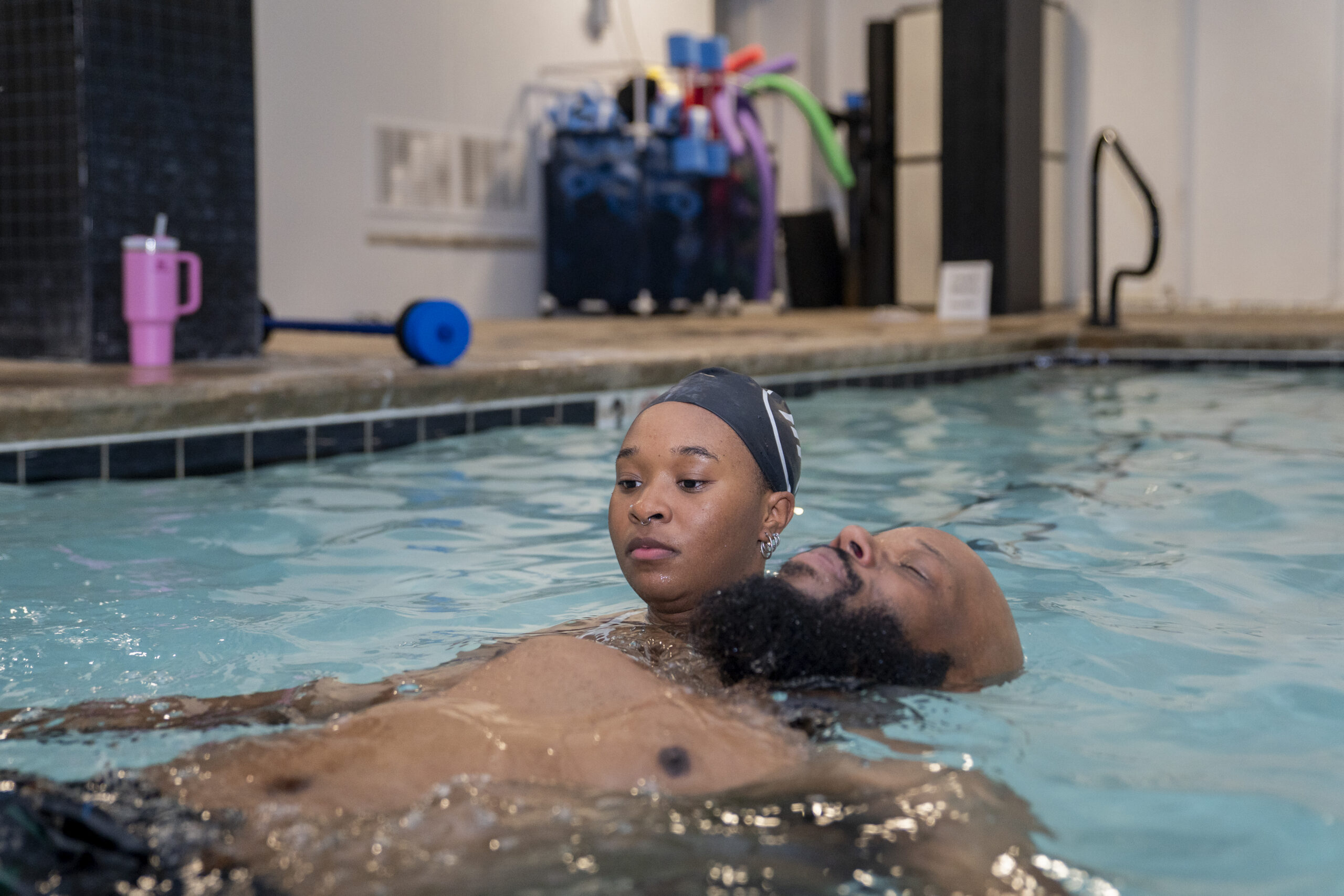
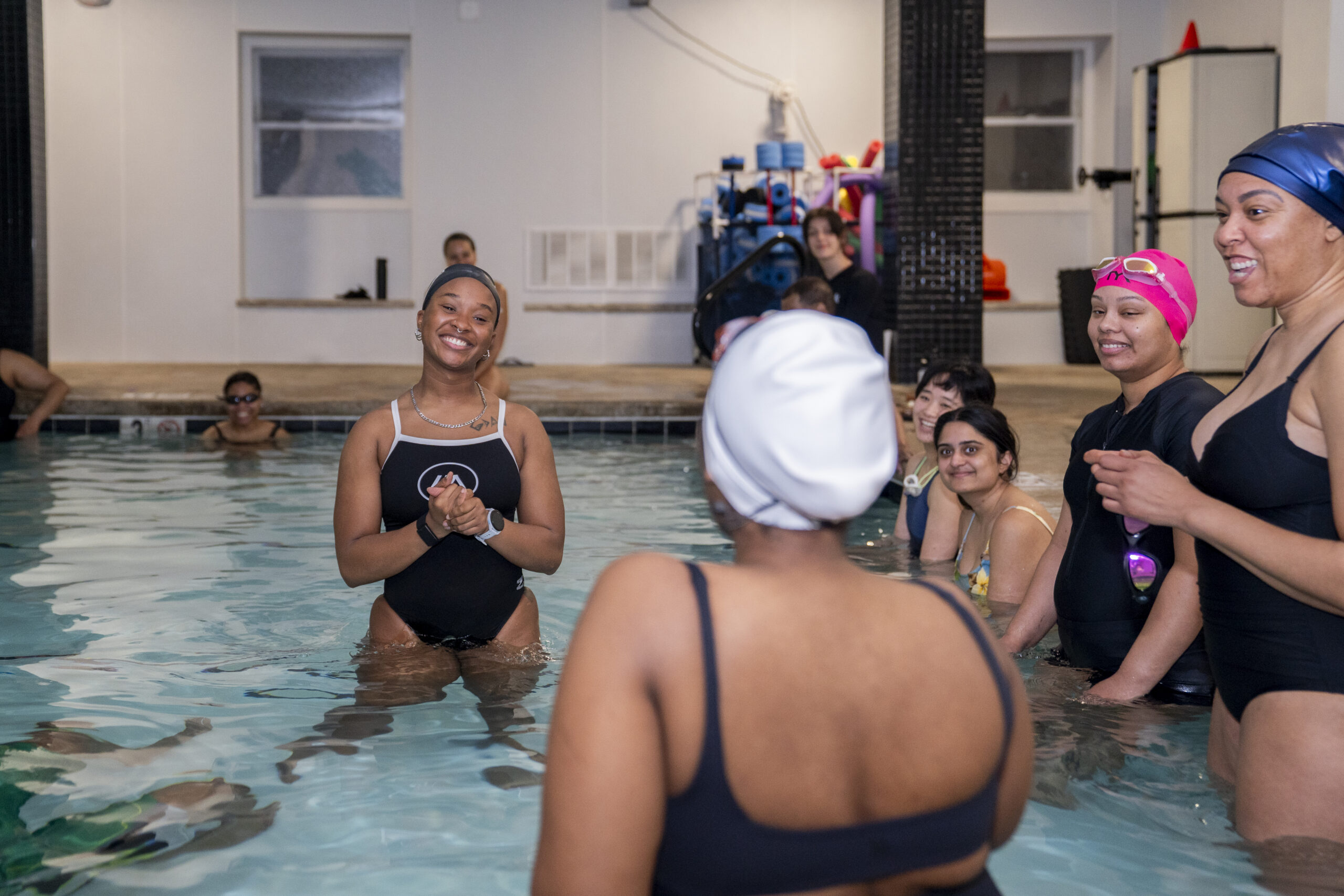
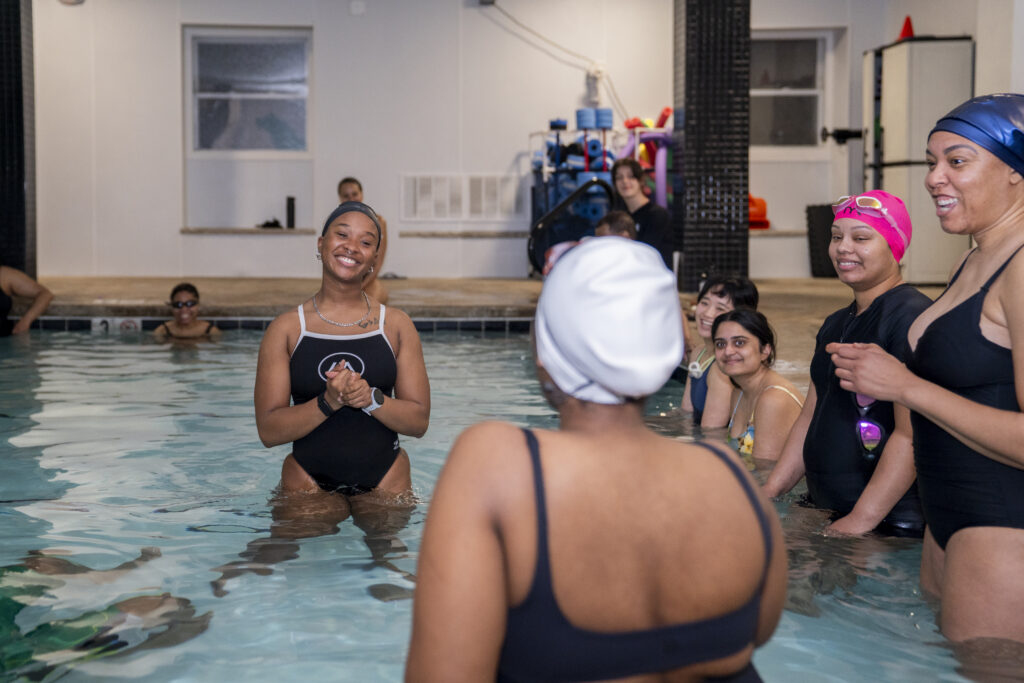
“I think the biggest thing is showing up,” she told me. When young Black girls attend her water safety clinics and see a Black woman leading the session, something shifts. “You have the little girls pulling at your swim cap and saying, wow, you actually look like me.” That moment of recognition is not a small thing. It is the entire mechanism of change.
Simone Manuel’s Olympic gold was historic. But Badia and I talked honestly about the limits of a single moment of visibility. Medals alone don’t change participation rates. Change happens one instructor on one pool deck at a time, sustained and intentional, showing up even when it’s uncomfortable. The concept of representation matters comes to life in that moment.
Badia described standing in the starting tunnel at a Hyrox race which had seventy women, and she was the only one who looked like her. For a moment, she felt the weight of that aloneness. Then something shifted. “It kicked in of, like, this is why you’re here. This is why you showed up the way you showed up.” That turning point, from I don’t belong to this is exactly why I’m here, is only possible when your sense of identity is stronger than someone else’s idea of who gets to participate.
The Lesson That Travels
Badia tells her students, especially those terrified of the water: if you can do this thing you never thought possible, what else might you be capable of? The pool is just the classroom. The lesson is about learning to trust something bigger than your fear.
What Badia Weeks is building is a world where Black athletes don’t have to shrink at the water’s edge. It starts with one student, one clinic, one race at a time and builds from there.
The water is waiting. So is the version of yourself you haven’t met yet.