




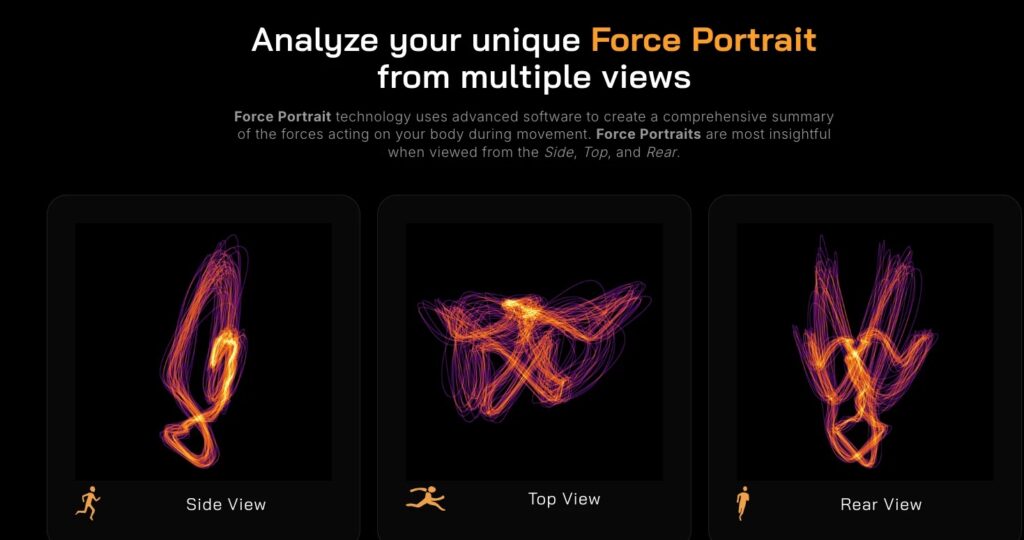
When Cooper first showed me the force portrait output from the Aletheia Run sensor, I genuinely thought it was one of those sparkler things kids wave around on the Fourth of July. I’m not ashamed to admit it. But here’s the thing, once I understood what I was actually looking at, my entire approach to running changed.
Running at 52 With a “Why Not?” Goal
Let me back up. I’m 52 years old, and when I started this journey with the Everyday Athlete Clubhouse Run Club tour, I set what some might call an ambitious goal: run a 3:45 marathon. My wife probably used a different word. But here’s where Aletheia Run came in, and why I’m now genuinely convinced that goal isn’t completely outrageous.
The device itself is beautifully simple. It’s a small sensor that clips onto a belt and sits on your sacrum which is your body’s center of mass. It measures the forces you experience while running and gives you data that used to require a fancy lab with cameras, specialists, and the uncomfortable feeling of being watched by twenty different angles. Now you get all that information from something so light you forget it’s there. Seriously. One step in and you have no idea it’s even on your body.
ADVERTISEMENT

The Feedback Loop That Changed Everything
What blew my mind was the feedback loop. I’d finish a run, look at my force portrait, and see exactly where my form was breaking down. The braking metrics showed me I was leaning too far back. So I adjusted. I leaned forward just slightly, and suddenly my pace picked up naturally. My brain connected with my muscles in a way that no amount of mental checklists could achieve. Within weeks, I noticed my heart rate wasn’t spiking even as my pace improved. I was getting genuinely faster and more efficient.
But here’s what really sold me: the Pocket Coach exercises. Look, I’m the guy who buys a resistance band with the best intentions and then it becomes a very expensive drawer decoration. But when the app specifically tells me, “Your left glute and hip area need attention,” and then provides me with exactly two exercises to do? I actually do them. That night. On my yoga mat. No excuses. And the next day? No pain. It’s like magic, except it’s just science and actually listening to what my body is telling me.
Data Without Judgment
I’ve used this device over eleven times now, and I’ve gone from thinking a 3:45 marathon was a pipe dream to genuinely believing it’s possible. Maybe even this March. The data doesn’t lie, and more importantly, it doesn’t judge. Whether you’re a triathlete qualifying for Kona or an everyday runner trying to stay healthy and improve, this device speaks your language.
The beauty of Aletheia Run is that it democratizes running analysis. You don’t need a lab coat or a physical therapist appointment to understand your biomechanics. You need a sensor, a phone, and the willingness to actually pay attention to what your body is telling you.
While it isn’t a sparkler on the 4th of a July, it is a game-changer.
ADVERTISEMENT