

Bobby didn’t grow up dreaming about marathons or ultras. In fact, running wasn’t part of his world at all. He grew up in a strict household, played casual sports, and didn’t really run. It wasn’t until his mid-30s, after a moment of realization during a pickup basketball game, that running entered the picture.
Over the years, running became a way for Bobby to work through major life changes, personal loss, and mental health struggles. This conversation looks at how running found him and how it ultimately helped through some of the hardest seasons of his life.
What Was Your Relationship With Sports Growing Up?
I grew up in a strict household. Sports weren’t really a thing for me. I played some pickup basketball, backyard football, stuff like that, but nothing organized. Running wasn’t even on my radar. I don’t remember ever having to “run” in PE, and if I did, it wasn’t memorable. It just wasn’t part of my world.
When Did Running First Enter The Picture?
In April of 2013. I was 35 and playing pickup basketball when I realized how out of shape I was. I couldn’t keep up. I was winded, frustrated, and honestly embarrassed. I had a sedentary job and a terrible diet. Around that time, a friend asked if I wanted to do a 5K. I remember asking him, completely serious, “Are we allowed to do that?” I didn’t know the typical person could just sign up for races.
ADVERTISEMENT
What Changed After That First Race?
I finished near the back of the pack, but something clicked. I decided I wanted to run that same race under 30 minutes. I started Couch to 5K, and two weeks in, my life completely unraveled. My marriage was on the brink, and everything felt unstable. I stopped running for a couple weeks, but when I came back to it, running became my escape. It gave me something to hold onto when everything else felt out of control.
When Did You Start Pushing Into Longer Distances
After I hit my sub-30 goal, I signed up for a half marathon and joined a training group. I got stronger, lost over 30 pounds, and felt unstoppable. That confidence probably went a little too far because I signed up for a 50K with basically no idea what I was doing. My longest training run was 15 miles. I showed up anyway.
What Do You Remember Most From That First 50k?
The aid station. I saw all this food and didn’t know what to do. I grabbed a Nuun tablet and just…ate it. I didn’t know you were supposed to put it in water. Somehow my stomach survived. It was a night race, and about six hours in I was so tired I was falling asleep while running. I finished, barely, and swore I’d never do another one. Of course, that didn’t last.
It took about two and a half years before I did another 50K, but I was much more prepared. Then, almost accidentally, I ended up training alongside friends who were preparing for a 100-miler. Five weeks before the race, I signed up. I finished it, learned a lot about myself, and eventually completed three more 100s after that.
Your Most Recent 100 Didn’t Go As Planned. What Happened?
It was my first DNF. I made it 62 miles before I had to stop. Physically, I just didn’t have it. I was fueled, hydrated, doing everything right, but my body wouldn’t cooperate. It was one of the hardest decisions I’ve made, but I know it was the right one. That race taught me that strength also means knowing when to stop.
How Does Life Outside Of Running Shape Your Training Now?
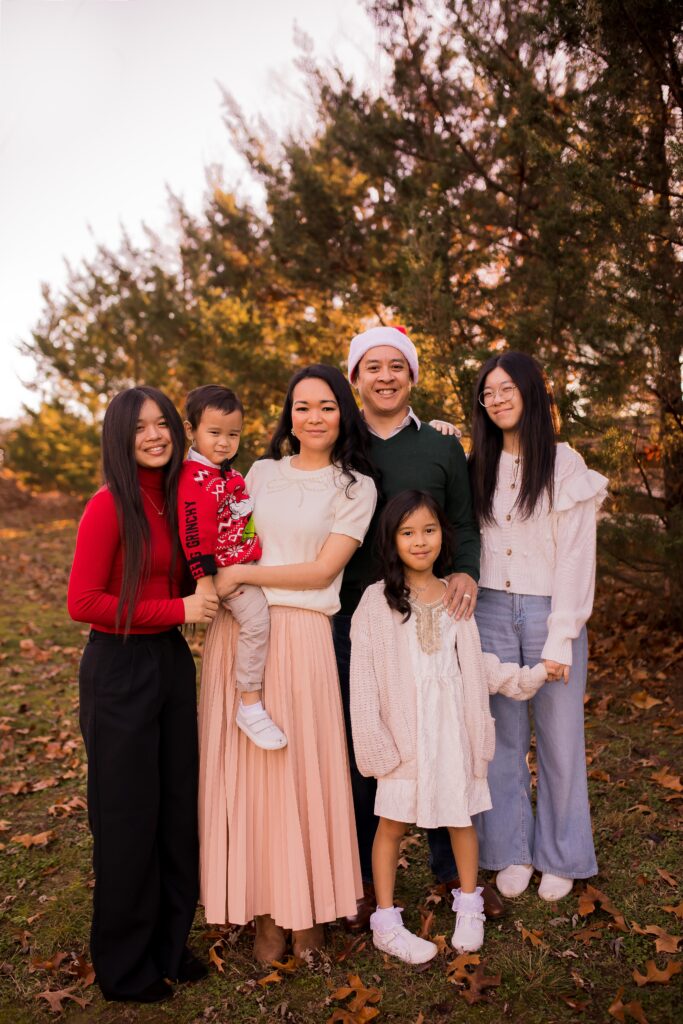
I’m married with four kids, and I work full time. That alone makes training complicated. I wouldn’t be able to do any of this without my wife. She’s supported me through everything, including training for hundred-milers not long after our youngest kids were born. That support means more than any race result ever could.
You’ve Been Open About Mental Health Struggles. How Does That Intersect With Running?
It’s a huge part of my story. I dealt with abuse growing up and didn’t talk about it for decades. When I finally did, it changed things. Running helps, but it doesn’t fix everything. I still deal with depression, especially in the summer. In 2019, I hit a really dark place. I stopped running and shut everyone out. A friend showed up one day and got me out the door. That moment helped pull me back. Since then, I’ve learned how important it is to let people in and to talk about the hard stuff.
Now, when I start to fall into a dark space and shut down, my friends notice because I have shared stories of 2019. I have a tremendous support group who will see the signs and reach out. This support keeps me from falling.
What Keeps You Going Now?
Community. Accountability. Knowing that sharing my story might help someone else feel less alone. I’m focusing on getting stronger again, rebuilding my base, and getting back to the basics. I’m planning a couple of 50Ks next year and hopefully another hundred. I don’t know exactly what that will look like, but I’m still here. And for me, that matters.
From discovering running later in life to navigating injury, burnout, and personal loss, Bobby’s journey has been shaped by showing up even when it would have been easier not to.
You can follow Bobby on Instagram.
ADVERTISEMENT