

Using Breathwork to Calm Pre-Race Anxiety
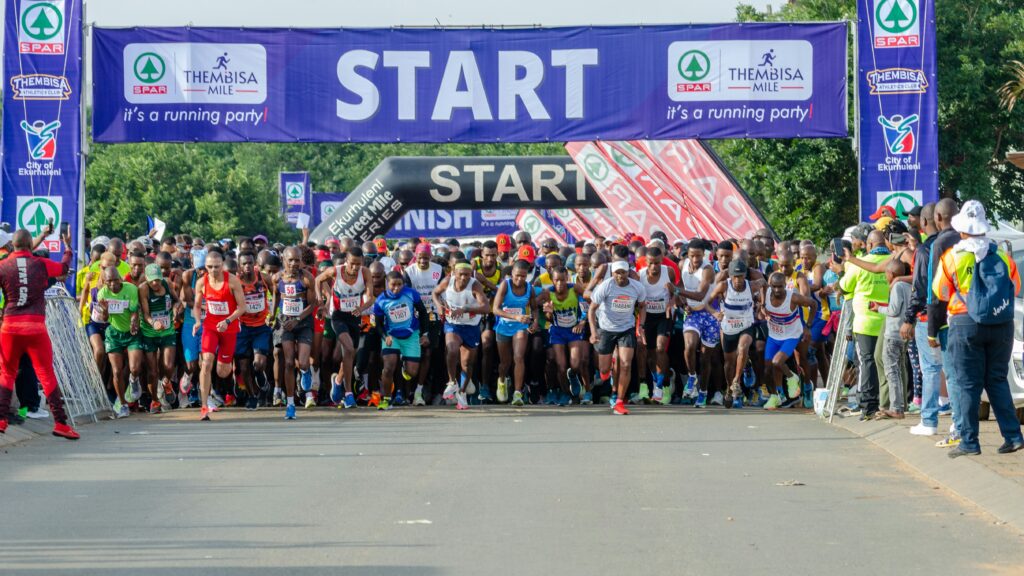
You’re at the start line—jogging, stretching, chatting with friends, trying to look relaxed even though your stomach’s in knots. Your adrenaline’s pumping, your heart’s hammering, and your breathing already feels a little ragged. You shake your arms out, puff out a few deep breaths, but the jitters don’t let go. Instead, the nerves creep in harder. You can feel your chest tighten, and suddenly you’re wondering if you’ll even have enough energy to make it through the first few miles without crashing.
That thought alone spikes your heart rate even higher, because you know pacing is everything. Burn too hot at the beginning, and you’ll gas yourself out before the real challenge even starts. The adventure ahead is intense. You want—no, you need—your body and your mind to work together, not against each other.
Here’s the good news: you’ve got a built-in performance tool, and it doesn’t cost a dime: your breath.
Why Breathwork Works
Think of your nervous system as the control center of your entire body. And your breathing? That’s the remote. With it, you can flip the switch from panic to calm, chaos to focus. The way you breathe changes the chemistry of your blood, the rhythm of your heart, even the chatter inside your head.
When you’re anxious, your breathing usually becomes shallow and rapid. That over-breathing lowers carbon dioxide levels in your blood, which ironically makes it harder for your cells to use oxygen. Translation: your body’s working harder but getting less fuel. No wonder you feel jittery and out of control.
By adjusting your breath, you can shift your nervous system back into balance. More oxygen gets where it needs to go, your muscles loosen up, and your mind clears. That’s not just theory—it’s science you can feel within minutes.
So, how do you actually do it at the start line? Here are three simple techniques that work in real time.
Sunset Breathing
Think of the sunset—steady, calming, everything slowing down. Sunset breathing uses a triangle rhythm to ease your body into balance.
How to do it:
→ Inhale through your nose for 4 seconds.
→ Exhale through your nose for 4 seconds.
→ Hold for 4 seconds.
Repeat this cycle. You can also adjust the count (3, 5, 6) as long as all sides of the triangle match.
When you exhale, your blood vessels open up and your blood pressure drops. When you hold after the exhale, carbon dioxide builds slightly, which signals your parasympathetic nervous system—the “calm switch”—to take over.
When to use it: On your way to the race.
ADVERTISEMENT

The Physiological Sigh
This is the fastest way to reset your nervous system. You can feel a noticeable shift in as little as 30 seconds. The physiological sigh helps balance your oxygen and carbon dioxide levels, easing stress while keeping your energy up.
How to do it:
→ Inhale through your nose into your belly.
→ At the top of that inhale, take another quick inhale into your chest.
→ Sigh it all out through your mouth.
Repeat continuously for 30 seconds to 5 minutes. Then settle into natural nose breathing. This is your go-to when you don’t want to kill your adrenaline completely—you just need to calm the nerves enough to think clearly and get into rhythm.
When to use it: When you’re waiting in the corral before the race even starts.
Extended Exhale Breathing
This is the simplest tool in your toolbox, and honestly, it works for everything. When in doubt, extend it out.
How to do it:
→ Inhale through your nose for 3 seconds.
→ Exhale through your nose for 5 seconds (two seconds longer than your inhale).
Keep repeating, letting your body naturally settle into the rhythm.
Extending the exhale signals your body to downshift, lowers blood pressure, and activates your parasympathetic nervous system.
When to use it: anytime you feel pressure building– whether that’s a race or in everyday life.
Practice Makes Progress
Here’s the catch—you don’t want to try these for the very first time at the start line. Just like training your legs and lungs, you want to train your nervous system. Practice these techniques in the morning, when you’re stressed at work, or before bed. The more familiar your body is with the patterns, the more comfortable you’ll feel when the shift hits.
Breathwork isn’t just for calming down or yoga. In reality, it’s performance training. It sharpens focus, enhances your effort, performance, recovery, and keeps your energy where you need it. If you can master your breath, you can improve your race.
The Bottom Line
No matter what you’re facing—pre-race jitters, a long training run, or just the chaos of everyday life—your breath is always available. It’s free, it’s powerful, and it’s the fastest way to take back control when anxiety tries to hijack your system.
Try sunset breathing when anxiety spikes. Use the physiological sigh for a quick reset. Lean on extended exhales when you need a steady calm. Practice them often, and by race day, you’ll know exactly how to flip the switch from panic to power.
Nerves will always show up and what matters most is how you respond. And with these tools, you’ll be ready to breathe your way into focus, energy, and confidence—whether you’re at the starting line or just navigating life’s everyday races.
ADVERTISEMENT

