


I Just Finished the Inaugural Mammoth 200
The Question Everyone Asks
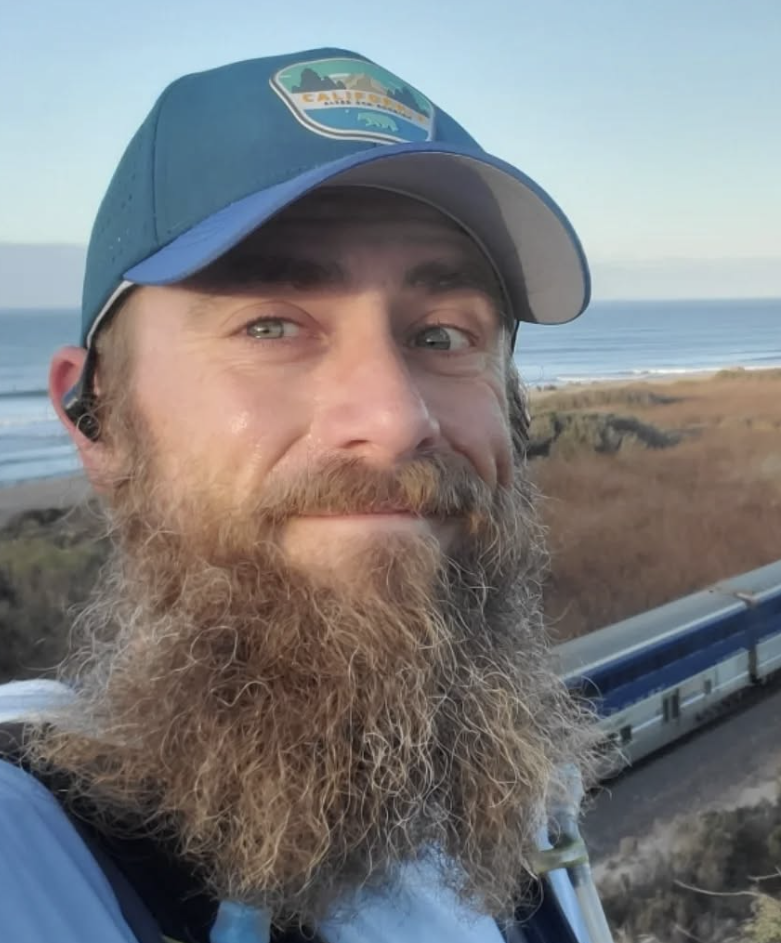
I just finished the inaugural Mammoth 200. I get asked a lot of questions about a race like that especially after hearing how wild I am for doing something like that. Typically they mention how they don’t like to drive that far (honestly I don’t like driving that far either, it’s much more fun to run it). The one question that I get asked the most is “What is recovery like from something like that?” That is a complicated question to answer in conversation besides saying eating as much as you can, sleeping, and having enough patience to allow yourself time to fully recover before heading out and starting to run again. That being said, I’ll provide you a ‘guide’ with recovery tips post ultramarathon.
Recovery Starts Before the Start Line
Recovery from a large effort, whether it’s a race or a long training run starts months before you even toe the starting line. A proper training block is essential to ensure you can recover adequately before your next effort. This is something that I stress to my clients whenever we begin a block. We train so that we can perform to the best of our abilities during a huge effort, but a proper training block is essential so that we can return to “life” relatively unscathed.
We’ve all been there, at least I know I have, I put in a training cycle, which may not have been the best it could have. The race came and I faired decently, but I was completely blown up by the end. We can all gut out efforts, this leaves us completely overworked during the race and recovery takes much longer. When you train properly and put in the correct amount of specific training (speed work, hills, elevation, and heat training), you are able to at least return to function much quicker than you would if you gutted a race out.
ADVERTISEMENT

The Art of Doing Nothing (Kind Of)
Depending on the distance of the race, I will recommend my athletes refrain from any running for at least two weeks, longer if needed. A break from structured workouts allows for the physical and psychological recovery needed, prior to a new training block. Taking on a training block adds stress to the body and mind which is compounded during a race. Athletes need to allow themselves ample time to allow their muscles, tendons, and joints to return to normal.
Jumping into another training block without proper rest will most likely avoid to burnout physically and mentally. While they are in the resting phase my athletes focus on sleep. Sleep is when the body repairs itself the most, and while they are training it is easy to not get as much quality sleep. Early morning workouts mixing with real life makes for a huge lack of sleep. I encourage them to sleep in and take a good nap if possible.
Move a Little, Heal a Lot
While my athletes rest, it doesn’t mean that they are laying around for two weeks. Sitting and laying down after a big race, feels amazing in the short term, but the longer you sit the stiffer your joints will feel once you are up an moving again. I encourage all of my athletes to get out for a brisk walk the day after their race.
With the two weeks of rest I instruct my athletes to walk as much as possible, bike or swim. Nothing is structured but I let them know that thirty to forty minutes of easy effort biking, swimming, or walking will help reduce inflammation, lactate buildup, and keep their blood flowing. After two weeks they get back into running gradually and I schedule low effort “fun” or “freedom” runs where there are no time or mile goals. The only requirement is that they can’t go over forty five minutes and they are to keep it low effort.
Refueling the Right Way (and Oreos Count)
One thing I look forward to after my races is the post race recovery food. I try to eat intuitively and focus heavily protein and carbs post race to replace the glycogen stores and repair muscles. That is not all. I do enjoy one or two mega stuffed Oreos (or the whole box). One thing that I do not do is put limits on what I eat. My goal is to try to listen to what my body wants.
Recovery is all part of the process and just like training, you have to be patient with the process. When done right you will be back to activity and into your next training block before you know it. In the end, proper recovery will have you ready to go and less injury prone.
ADVERTISEMENT