


Your Watch Has Data. Now What?
Your Garmin says you’re unproductive. Meanwhile, you feel fantastic and could happily knock out ten miles. Which one gets the deciding vote?
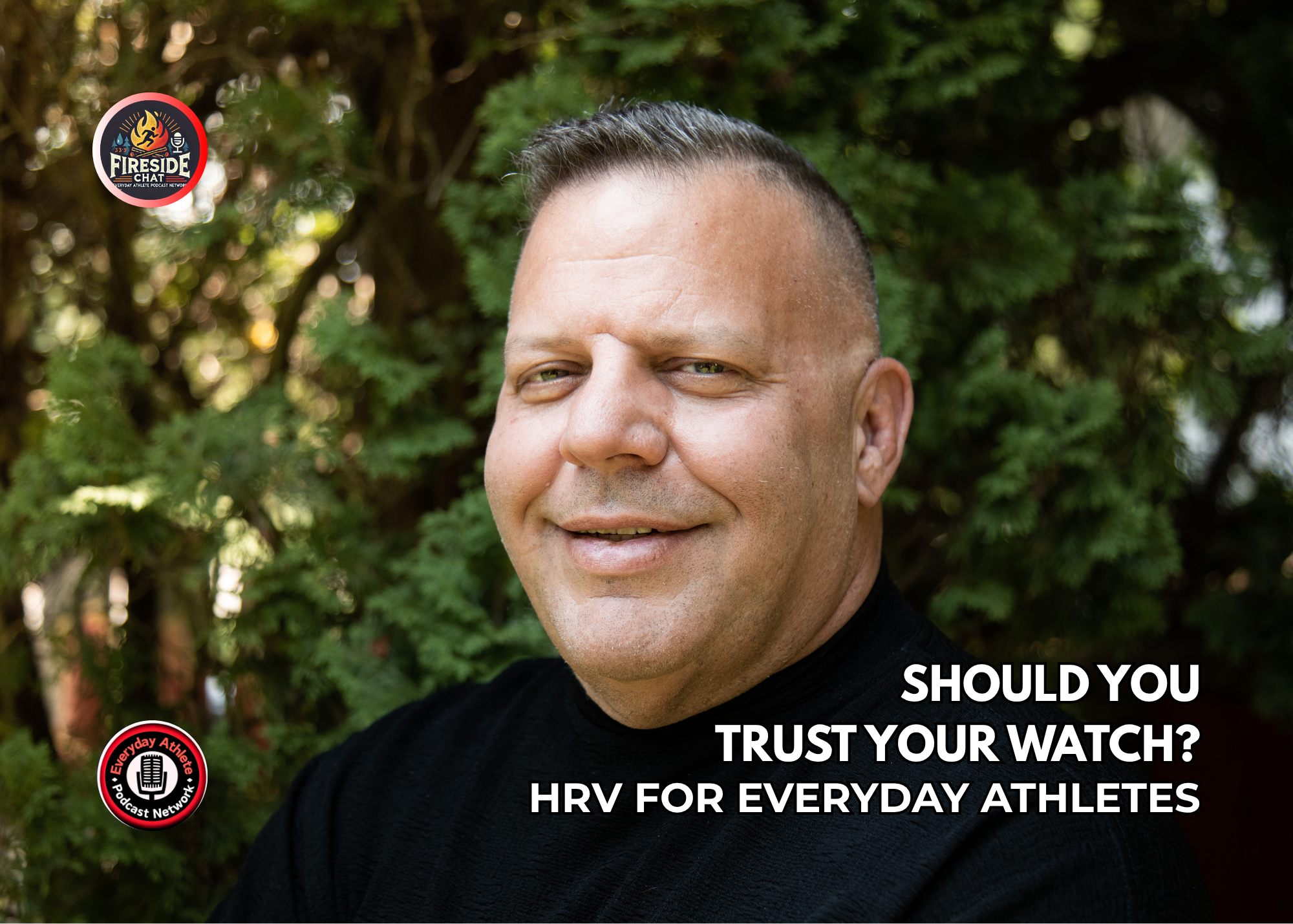
That question sits at the center of this Fireside Chat with exercise physiologist and sports scientist Don Moxley.
Today’s endurance athletes have access to enormous amounts of physiological information. Watches, rings and bands track heart rate, HRV, sleep, temperature and more. Don’s concern isn’t necessarily the measurements themselves. It’s what happens when an algorithm turns those measurements into a recommendation.
As Don explains, today’s technology is still early. The device may measure a variable accurately while lacking enough context about the human wearing it to determine what that person should actually do next.
ADVERTISEMENT

Stop Outsourcing Your Training
During the conversation, Jason gives Don a familiar scenario: Garmin says he’s “unproductive,” but he feels great and wants to run ten miles.
Don’s response? “You should.”
That doesn’t mean ignoring data. It means understanding its role.
Don compares wearable information to a thermometer. You have a feeling, use technology to confirm what you’re experiencing and then make a decision. The ring isn’t the thermostat controlling the house. You’re still the thermostat.
Fitness Is Bigger Than HRV
The conversation eventually moves beyond wearables altogether.
Don identifies five foundational “rocks”: movement, nutrient-dense food, sleep, light and community. But those rocks exist inside something even larger: purpose.
That leads to perhaps the most Everyday Athlete statement of the entire episode.
Fitness isn’t your VO2 max. It isn’t your HRV. Don describes fitness as having the physical capacity to enjoy the life you’ve been given.
Your watch can help. Your data can help.
But neither gets to decide why you’re doing any of this.
You do.
Listen On Apple Podcasts
Listen On Spotify
ADVERTISEMENT
